
6 Tips from Maryland Movers to Help You Prep Your Apt for Moving Across Country

Moving can be a pleasant experience, but there are almost always stresses along the way. Fortunately, there are steps you can take to minimize the difficulties and make your move as seamless as possible. Here are six tips to consider as you pack up your apartment to move across the country.
1. Start Early
Planning is essential for making your move free of stress and successful, but nearly everyone finds that moving takes more time than initially anticipated. Start early; making sure each step of your move is complete a few days before necessary helps you tackle difficulties with ease. You may also want to book the services of inexpensive apartment moving companies. If you do plan to use a mover, booking early will ensure the lowest rate (and is especially important during the busy summer season!).
2. Checklists Help
Planning for your move is challenging enough, but the execution phase can be tough if you forget steps along the way. While planning, set up checklists for each step of the process. Review your checklist on occasion to ensure you’re aware of upcoming tasks. Reviewing your list helps you plan day-to-day tasks while appreciating just how much progress you’ve already made.
3. Declutter
If you’re planning ahead of time, take some time to consider which items you’ll use at your new location. Every item you sell or donate to charity is one less item you’ll need to move, helping make the process seamless. Furthermore, many people who relocate find they plan on purchasing new things once they arrive. Purchasing items near your new home leads to more comfortable transportation, so think about parts of your home you’d like to upgrade before beginning the packing process.
4. Color Coding and Labels
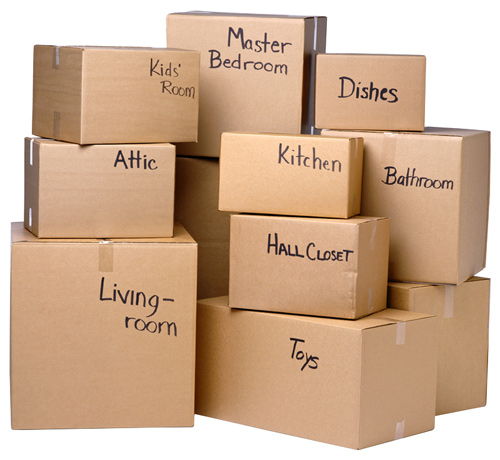
Once you arrive at your new location, you’ll have specific items you’ll want to unpack as quickly as possible. Color coding makes it far easier to sort through stacks of boxes to locate the things you need. Labels are useful as well. Even after your most needed items are unloaded, you’ll want to identify other items quickly. Knowing where your entertainment devices are, for example, helps you unwind after a busy day even while you’re still unpacking.
5. Bring a Door Stopper
Although it may seem like a small step, bringing along a door stopper helps you move items as seamlessly as possible. Too often, people moving to a new home improvise with other things, which might not be able to hold your door open properly, potentially leading to broken items. Door stoppers are inexpensive, but you’ll find plenty of use for them during the moving process and afterward.
6. Have an Essentials Box
You’ll want to set aside essential items to unpack as quickly as possible. Some of these items, however, are more important than others, including things you’ll want to access as soon as you settle and while traveling. Set aside an essentials box that contains items that can’t wait for the movers to arrive, including medication and essential entertainment devices for children. Carry these boxes or bags with you while en route to your new home.
It’s common to encounter minor setbacks along the way while moving. By planning ahead of time and staying ahead of schedule, you can ensure that your move progresses as smoothly as possible.